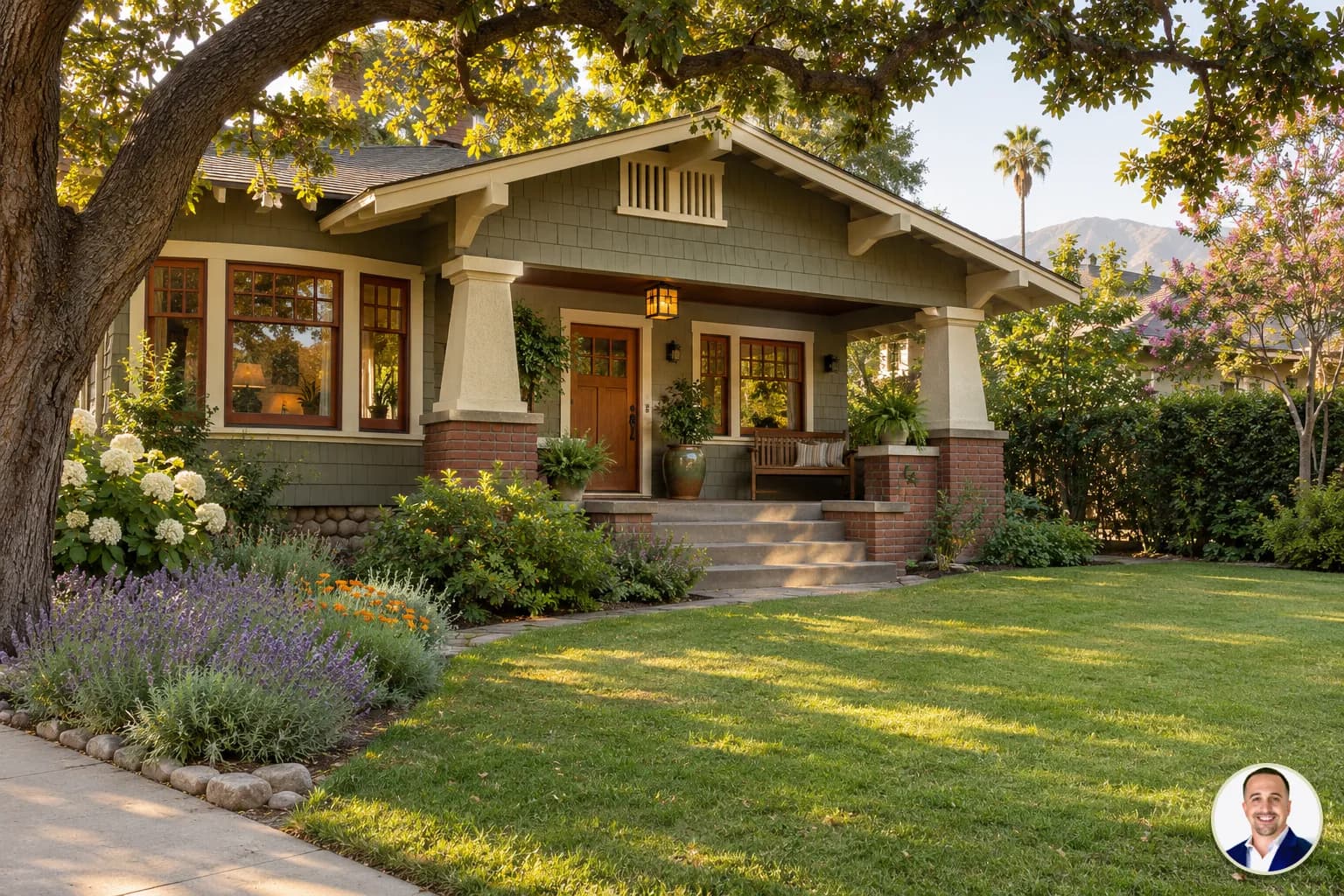
I’m Justin Borges, and I specialize in Craftsman and character homes across Pasadena and the San Gabriel Valley. Restore or repair the original features that give the house its character, and renovate the systems and rooms that need to work better for you.
A beautiful room and a workable home both matter. The question I want a buyer to ask is not whether every surface is old, but what would be lost if a particular feature disappeared. Walk the house with that distinction in mind, then bring in the people who can assess condition, safety and the changes you have in mind. If you already own the home, the same process belongs before work starts.
Ready to move forward? Let's talk.
How do I decide what to restore and what to renovate?
Start with the house you are actually buying, rather than a picture of an ideal Craftsman. Original materials, the way rooms meet, and details such as a porch or built-in cabinet can give a home a coherent identity. A worn surface is a reason to investigate, not an automatic reason to remove it. At the same time, you can want dependable electrical service, plumbing, heating and cooling, and rooms that fit daily life.
The National Park Service’s rehabilitation standards, favor retaining character-defining features and repairing deteriorated historic features before replacing them. When replacement is necessary, they call for a match in design, color and texture and, where possible, material. These standards govern the federal tax-incentive program; for a private home, they are guidance unless a local rule or contract makes them applicable.
| Feature | Starting question |
|---|---|
| Woodwork and built-ins | Can the existing pieces and finish be retained or repaired? |
| Windows and floors | What is sound, what is damaged, and can individual parts be repaired? |
| Wiring, plumbing and HVAC | What needs professional evaluation or modernization, and where can work minimize disturbance? |
| Kitchen and bath | Which changes improve function while respecting nearby historic features? |
| Porch and exterior | Which details shape the house’s appearance, and what review applies? |
In Pasadena’s Bungalow Heaven, I would use this same keep, repair and change framework on the individual house, not assume every bungalow needs the same work. The city’s conservation plan places Craftsman’s local flowering from about 1905 through the 1920s.
If you want to talk through a property you are considering, call me at (213) 262-5092 and we can look at the questions to take into your inspection.
Why do original details matter in an older Craftsman?
In a Craftsman from the 1910s or 1920s, a window is more than an opening for light. Its sash, trim, proportions and position relate to the siding and rooms around it. A built-in cabinet can help define how a dining room meets a living room; a porch can shape the way the house meets the street. These relationships are hard to judge if you look only at a list of finishes.
The National Park Service’s guide to architectural character, asks owners to look at the overall form, close-up materials and craftsmanship, and interior spaces together. It identifies changes to major room arrangements, windows and porches as possible losses of character. That gives us a practical reason to slow down before making a demolition list.
Original does not always mean dark, unpainted wood. SurveyLA’s Arts and Crafts context, notes that lighter painted interiors and plaster were common in bungalows through the 1920s. A painted room deserves investigation on its own terms. For a Pasadena comparison, the Gamble House is a Greene and Greene ultimate bungalow, not a benchmark every ordinary bungalow must match.
Ready to move forward? Let's talk.
How should I walk the house and sort its features?
Before discussing finishes, stand across the street and look at the roofline, porch, window groupings and the relationship between the house and its setting. Then move closer to the siding, columns, trim and visible repairs. Inside, notice the room sequence, openings, floors, fireplace surroundings and built-ins. Photograph features with the seller’s permission and make notes you can share with your inspector and contractor.
Use three working categories. Keep means the feature contributes to the home and appears worth protecting. Repair means it contributes but has a condition question, such as a window that sticks or a floor with localized damage. Change means it does not serve your needs, but the method and surrounding effects still need review. These are questions for the professionals, not a diagnosis from a tour.
Mark uncertainty separately. A cabinet may look original without being original, and a damaged board may conceal a wider moisture problem. Ask for an assessment before promising yourself either preservation or removal. The useful outcome is a written list of decisions and unknowns. In Bungalow Heaven, I would start with the street-facing porch and windows, then trace the room sequence inside; the NPS character guide uses that same outside-to-inside approach.
If you have a house in mind, text me and we can talk about what you want the home to do for you.
What should I do about windows, floors and painted woodwork?
Look closely at each window rather than treating all of them as a single project. Ask whether the sash moves, whether the frame is sound, where water is entering and which parts need attention. The National Park Service guide to historic wood windows, describes maintenance, stabilization and parts replacement as possible repair approaches. It also suggests investigating storm windows where feasible. Read more about whether original Craftsman windows are worth keeping.
For floors, ask what material remains, where it has been patched and whether the damaged areas can be addressed without losing sound material. Do not assume that refinishing is the right answer until someone has examined the floor. Likewise, paint on trim is not a command to strip it. The National Park Service’s exterior woodwork guide, warns that harsh removal can permanently damage surfaces and erase evidence of historic paint. Here is how I approach paint on original Craftsman woodwork. For a street-visible window change in Bungalow Heaven, the district’s conservation plan identifies staff review for contributing houses; confirm the property and project with Pasadena.
Ready to move forward? Let's talk.
Can I modernize systems and change the floor plan?
Yes. Ask your inspector and qualified contractors to evaluate wiring, plumbing and HVAC, and discuss routes for new work before opening walls or cutting historic trim. A kitchen can gain better storage or a more useful layout; a bath can be adapted to your needs. The goal is to identify what must change for the room to work and what can remain around it.
For a wall or a larger opening, show the existing layout and your proposed change to an engineer and the city. They determine the structural work and permits for the actual project. Pasadena Building & Safety, says most construction projects require a building permit, and work exempt from that permit may still need zoning approval. Our guide to opening a Craftsman floor plan explores how to weigh room relationships alongside function.
If more space is essential, compare alternatives before assuming an upper floor is possible. The National Park Service’s additions guide, recommends additions that respect historic character and notes that rear or secondary placements can reduce visual impact. See adding a second story to a Craftsman bungalow. In Bungalow Heaven, the district plan distinguishes staff review of some rear additions from Commission review of larger changes; the design and its visibility matter.
If you want to talk through a property you are considering, call me at (213) 262-5092 and we can look at the questions to take into your inspection.
What should I ask the inspector and contractor?
Ask the inspector to show you the evidence behind each concern and distinguish what is visible from what needs a specialist. Where is moisture entering? What condition are the roof, foundation, electrical system, plumbing and heating and cooling in? Which findings need a further evaluation during the time available under your purchase agreement? Our Craftsman inspection guide can help you prepare.
Ask a preservation-minded contractor which features can be protected in place, which components may be repaired and what would require replacement. Request a written scope that identifies the work, the materials to retain and the questions that cannot be answered until further investigation. If the project changes a room or exterior, ask how the proposed work meets existing trim, floors and rooflines. Bring the contractor’s questions to the city rather than assuming a drawing guarantees approval.
Paint safety belongs in that conversation. The California Department of Public Health, advises owners planning remodeling or renovation in a pre-1978 home to hire a certified lead Inspector/Assessor to test affected areas before work, then a certified lead Supervisor. Ask how containment and lead-safe procedures will be documented in the contract.
Ready to move forward? Let's talk.
What does historic designation change in Pasadena?
Do not assume that a house is designated simply because it looks old, or that it has no review requirements because a listing does not mention them. Check the address with Pasadena before making a design decision. The city’s Historic Preservation page, points to its historic properties database, Map My Neighborhood with the Historic Properties layer, and the landmark districts map. Ask Design & Historic Preservation staff to confirm the property’s status and whether the proposed work requires review.
According to Pasadena’s designation guidance, landmark and historic monument designation can bring review of exterior alterations, and interior review when an interior is designated. In a landmark district, demolition, street-visible exterior alterations and new construction can require review. The city generally exempts interior work, paint colors, routine maintenance and work not visible from the street from Certificate of Appropriateness review.
If you have a house in mind, text me and we can talk about what you want the home to do for you.
If the home has a Mills Act contract, which transfers to a buyer, Pasadena requires work affecting historic features inside or out to meet the Secretary of the Interior’s Standards and get a Certificate of Appropriateness. Ask the seller and the city whether a contract is recorded. Ask about the specific project; an exemption from that review does not settle other permit requirements.
The city says a Certificate of Appropriateness is required before the building permit when applicable. District plans can differ, so bring the address, photos and a clear description of the work. Our guide to buying a landmarked Craftsman explains the questions to raise. Bungalow Heaven has its own conservation plan, so I would check the district as well as the address. Pasadena says there is no Certificate of Appropriateness fee; other project costs and review times vary. For a house outside Pasadena, check with its own local jurisdiction.
What should be on my pre-offer checklist?
- Write down the features that made you want the house and the changes you need it to accommodate.
- Walk the exterior and interior, photograph with permission, and sort features into keep, repair, change and investigate.
- Check designation with the city and describe any exterior work that matters to your decision.
- Arrange an inspection and identify the specialists needed for systems, structure, windows or lead concerns.
- Ask a preservation-minded contractor for a written scope and unresolved questions, then confirm the review and permit path with the city.
- Discuss the findings and your purchase agreement with your agent before deciding how to proceed.
I can help you talk through your priorities if you call me.
If the house only works for you after a major alteration, treat that alteration as an open question until the appropriate professionals and city have reviewed it. A plan you can live with should account for the possibility that the preferred design changes. For a Pasadena house, I would use the city’s historic properties tools before relying on a listing’s description. Restoration and renovation costs vary, so obtain property-specific estimates. I would weigh those estimates and unresolved inspection findings against the offer price and the funds you have available after closing; an appraiser can explain the appraisal, and resale effects cannot be assumed. For broader context, see whether a Craftsman is a good buy in Pasadena and whether a bungalow fits a family.
Ready to move forward? Let's talk.
What else should buyers ask?
Does restoring a Craftsman mean keeping everything old?
No. I would identify the materials, details and spaces that give this particular house its character, then evaluate their condition. Wiring, plumbing and other systems can be modernized, and a kitchen or bath can change while important surrounding features are protected.
Should I replace original wood windows?
Not automatically. Ask a specialist to assess the sash, frames, moisture damage and operation, and compare a repair plan with replacement. For a designated Pasadena property, check the applicable review before deciding. The NPS identifies maintenance, stabilization and parts replacement as repair options.
Can I remodel the kitchen in a historic Craftsman?
A kitchen can be adapted to the way you live. I would document nearby built-ins, trim and room relationships first. Pasadena says most construction projects require a building permit; confirm the path for the work.
If you want to talk through a property you are considering, call me at (213) 262-5092 and we can look at the questions to take into your inspection.
What should owners check before work begins?
Does a Pasadena landmark district prevent interior changes?
Pasadena generally exempts interior work from Certificate of Appropriateness review in a landmark district. A designated interior or a Mills Act contract can change the review; other permits may still apply. Check the property and project with the city.
Should I strip painted Craftsman woodwork?
Not until you understand the finish, the condition of the paint and the lead-safety plan. Painted trim can be historic, and aggressive removal can damage wood. SurveyLA notes that lighter painted interiors were common in bungalows through the 1920s.
When should I check permits and historic status?
Before an offer if the planned work matters to your decision, or before work begins if you already own the house. Give Pasadena the address and a description of the proposed changes. When applicable, a Certificate of Appropriateness comes before the building permit.
Ready to move forward? Let's talk.
Sources
- National Park Service, Secretary of the Interior’s Standards for Rehabilitation, checked 2026-11-05
- National Park Service, Architectural Character, checked 2026-11-05
- SurveyLA, Arts and Crafts Movement, checked 2026-11-01
- National Park Service, Repair of Historic Wooden Windows, checked 2026-11-05
- National Park Service, Exterior Paint Problems on Historic Woodwork, checked 2026-11-05
- National Park Service, New Exterior Additions to Historic Buildings, checked 2026-11-05
- City of Pasadena, Apply for Permit, checked 2026-11-05
- California Department of Public Health, Hire a Lead Professional, checked 2026-11-05
- City of Pasadena, Historic Preservation, checked 2026-11-05
- City of Pasadena, Historic Designations and Property Incentives, checked 2026-11-05
- City of Pasadena, Historic Property Contract Program Guidelines, February 2026, checked 2026-11-05
If you have a house in mind, text me and we can talk about what you want the home to do for you.

Justin Borges
Team Lead, The Borges Real Estate TeamDRE #01940318
With over 13 years in Southern California real estate, Justin specializes in probate sales, trust properties, and character homes. His expertise in 1031 exchanges and historic preservation has helped hundreds of clients navigate complex real estate transactions.