Yes, I recommend adding a roof inspection and a chimney or fireplace inspection when you buy a Pasadena Craftsman. A general inspection is a visible, noninvasive look, while specialists can examine the roof and chimney more closely.
These inspections give you a clearer picture of the roof and the masonry and flue connected to the living space. For a broader perspective, read my Moving to Pasadena Guide. I want those answers while your inspection contingency is still available.
Ready to move forward? Let's talk.
Why look closely at a Craftsman roof and chimney?
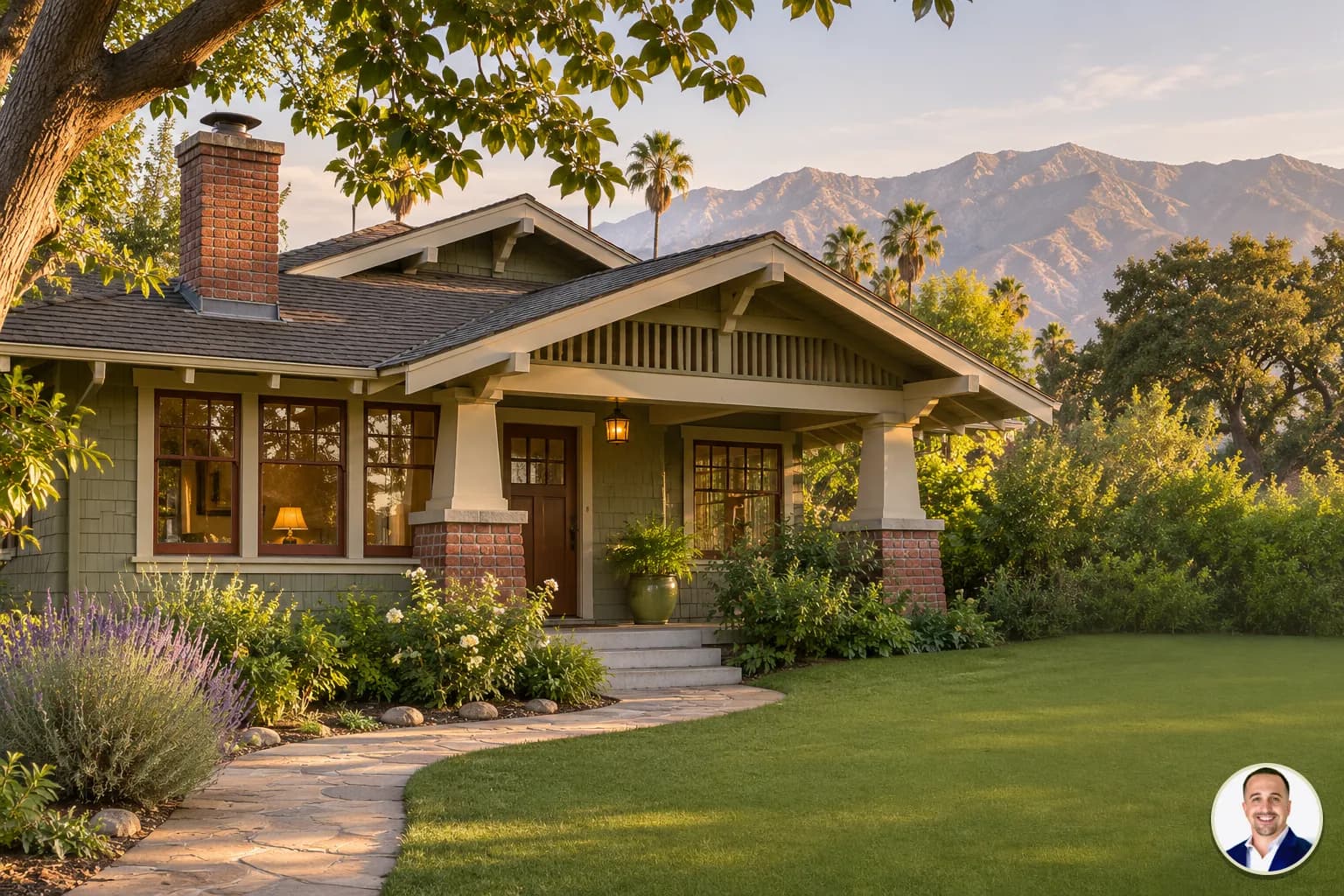
The details that give a Craftsman its character also give an inspector specific places to look. Pasadena’s historic district design guidelines, checked 2026-11-01, describe bungalow features including extended eaves, exposed rafters and beams, gabled roofs, and chimneys that can be brick, stucco or arroyo stone. Roof shapes vary, so I would not assume every bungalow has the same pitch or construction.
Broad overhangs and exposed rafter tails are worth examining for signs of moisture or deterioration, as are the roof edges and the places where a chimney meets the roof. An older roof or wood shingles deserve a careful look at their present condition rather than an assumption based on appearance. A chimney can look handsome from the yard while its interior remains out of view. Ask each specialist to distinguish an observed condition from something that needs a closer look.
For the wider plan, start with my guide to inspecting a Craftsman in Pasadena. Alongside the foundation, plumbing and electrical systems, pay particular attention to the exposed eaves and chimney where it meets the roof.
What does the general inspector cover?
California’s home inspection definition, checked 2026-11-04, describes a noninvasive physical examination designed to identify material defects. That is valuable information, but the written agreement and the inspector’s actual access matter.
Under the InterNACHI standards of practice, checked 2026-11-04, an inspector assesses the roof from the ground or eaves and reports observed active leaks, but is not required to walk the roof. The same trade standard covers readily accessible, visible fireplace and chimney portions without requiring inspection of the chimney or flue interior. Standards and services vary, so ask your inspector what they will do at this house.
Before scheduling, call me at (213) 262-5092 and we can map the general inspection and specialist visits against the dates in your agreement.
| Inspector | What to discuss | Useful result |
|---|---|---|
| General home inspector | Visible roof and fireplace conditions, access and limitations | A broad report and referrals for further evaluation |
| Roofer or roofing inspector | Covering, penetrations, flashing, edges and signs of water intrusion | A closer assessment and written options |
| Chimney specialist | Fireplace, masonry, flue, scan and accessible surrounding areas | Findings about condition, use and remaining limitations |
Attend when possible and ask each inspector to show you the location of a concern. Under the InterNACHI standard, the general inspection covers visible fireplace and chimney portions but does not require a look inside the flue.
Ready to move forward? Let's talk.
What should the roofing specialist examine?
Give the roofer the listing information, any seller disclosures and the general inspector’s report if it is ready. Ask about the roof covering and its visible condition, including worn, loose or damaged areas. Have the specialist explain how water is directed away from vulnerable transitions, especially around the chimney, roof penetrations, valleys, edges and flashing.
Ask them to look at accessible eaves and exposed rafter tails, and to identify visible staining or deterioration that may warrant a closer investigation. If attic access is available, ask whether the agreed inspection includes looking there for signs of water entry. Have the specialist explain whether a stain indicates an active leak and document any areas that need further access.
Ask for photographs and a written report that separates maintenance, recommended repairs and possible replacement. If the roofer offers an estimate of remaining service, ask what it is based on and what could change it. If access is unsafe or an area cannot be seen, have that limitation documented so it can inform your decision.
Bring the written roof report, photographs and any repair or replacement options into your contingency review. If you want help comparing the findings with your other priorities, text me.
What should a chimney specialist check?
Tell the specialist whether the fireplace has been used, whether records or prior scans are available, and whether you hope to use it. Ask for an assessment of accessible masonry, the fireplace and the flue, including visible cracks, deterioration, obstructions and other conditions the specialist identifies. Ask how the chimney meets the roof and whether an observed issue calls for another trade.
The Chimney Safety Institute of America’s masonry chimney inspection procedure, checked 2026-11-04, recommends a Level 2 inspection when a property is sold. Its scope includes an interior video scan, roof access and inspection of accessible attics, basements and crawl spaces. Ask the specialist to confirm the service, access and report before booking. The recommendation is not a claim that a particular local law requires it.
Ask what the scan shows, whether the fireplace is suitable for the use you intend, and what work it needs before use. Request any access limits and recommendations for further investigation in writing. CSIA recommends a Level 2 inspection when a property is sold.
Ready to move forward? Let's talk.
How should I think about a masonry chimney in earthquake country?
Ask the specialist to describe the chimney’s visible condition and whether another qualified professional should evaluate a concern about its stability or connection to the house. If the specialist identifies a structural question, arrange an assessment with the appropriate professional before your deadline.
Also separate the chimney question from the foundation retrofit question. The California Residential Mitigation Program, checked 2026-11-04, says Earthquake Brace + Bolt does not cover chimney work. Earthquake policies can treat masonry chimneys differently; read the policy and ask your insurance professional about the home you are buying. That distinction is reflected in California Insurance Code section 10089, checked 2026-11-04.
For the separate structural questions below the house, see what foundation problems to look for in a Craftsman.
Keep the two scopes separate: Earthquake Brace + Bolt does not cover chimney work. If a report raises a structural question, call me at (213) 262-5092.
How do I schedule the work inside my contingency?
Read the signed agreement with me as soon as your offer is accepted. The applicable deadlines and any negotiated terms control your plan. I like to contact the general inspector, roofer and chimney specialist promptly, confirm their availability and ask when their written reports will arrive. If an inspection depends on access to the roof, attic, fireplace or crawl space, coordinate that access with the seller through the appropriate channels.
Send the specialists any disclosures and available records ahead of the visit. Ask whether their scope includes photographs, a scan where requested, a written explanation and a follow-up conversation. Tell them your deadline, but leave time to read their reports and obtain a further evaluation if they recommend one. Plan to receive and understand the findings before your inspection contingency deadline.
If access, scheduling or report delivery becomes a problem, tell me immediately. We can review the agreement and discuss available options, including whether to request more time. For a broader explanation of when to bring in another professional, read whether you need a specialist inspector for an older house. An extension requires agreement, so work from the deadlines in your signed contract.
Ready to move forward? Let's talk.
How do the reports affect our offer conversation?
We will sort the findings by what is known, what needs more investigation and what you may want to address after closing. Use photographs, a clear description and a proposed scope or estimate to weigh your options. Ask whether the person providing an estimate also proposes to perform the repair, and consider an independent opinion when useful.
Depending on your agreement and the facts, we can discuss asking the seller for a repair, a credit or a price adjustment, proceeding with the information you have, or considering other contractual options. The seller does not have to agree to a request. Your decision should reflect both the findings and the uncertainty left by areas the inspectors could not reach.
Keep the rest of the house in view, too. A roof report does not answer questions about older plumbing or insurance and knob-and-tube wiring. I want you to understand the whole purchase, not just the most dramatic line in a report.
Compare the written roof report with the chimney specialist’s Level 2 findings before the relevant deadline. When the reports are in, text me and we can talk through your choices.
Frequently asked questions
Does a general home inspection include the roof?
A general inspector assesses the roof within the agreed scope, but that does not necessarily mean walking it or examining every concealed component. Ask for the written scope and arrange a roofing specialist when you need a closer assessment.
Should I inspect a fireplace I do not plan to use?
I would still want to understand its condition and the chimney specialist’s findings. Tell the specialist the fireplace has not been used and ask what can be assessed, what remains hidden, and what would be needed before use.
What chimney inspection should I request when buying?
Ask a chimney specialist about a Level 2 inspection with an interior video scan. The Chimney Safety Institute of America recommends that level when a property is sold; ask the specialist to explain the scope and any access limits in writing.
Can a roof inspection predict exactly when a roof will fail?
No inspection can promise an exact failure date. Ask the roofer to explain the visible condition, evidence behind any remaining-service estimate, limitations, and options for repair or replacement.
What if the seller will not allow a specialist to inspect?
Tell me promptly so we can review the access issue and the terms and deadlines in your agreement. You need to decide how much uncertainty you are willing to accept before taking the next contractual step.
Can I ask the seller to repair a chimney or roof?
You can discuss a request with me after reviewing the report and your agreement. The seller’s response is a negotiation, not a guaranteed repair, credit, or price change.
Ready to move forward? Let's talk.
Sources
- City of Pasadena, Design Guidelines for Historic Districts, checked 2026-11-01
- California Business and Professions Code section 7195, checked 2026-11-04
- InterNACHI, Standards of Practice for Performing a General Home Inspection, checked 2026-11-04
- Chimney Safety Institute of America, Level 2 Inspection, Masonry Chimney, checked 2026-11-04
- California Residential Mitigation Program, EBB Retrofit, checked 2026-11-04
- California Insurance Code section 10089, checked 2026-11-04
To discuss a particular Craftsman and its inspection plan, call me at (213) 262-5092.

Justin Borges
Team Lead, The Borges Real Estate TeamDRE #01940318
With over 13 years in Southern California real estate, Justin specializes in probate sales, trust properties, and character homes. His expertise in 1031 exchanges and historic preservation has helped hundreds of clients navigate complex real estate transactions.