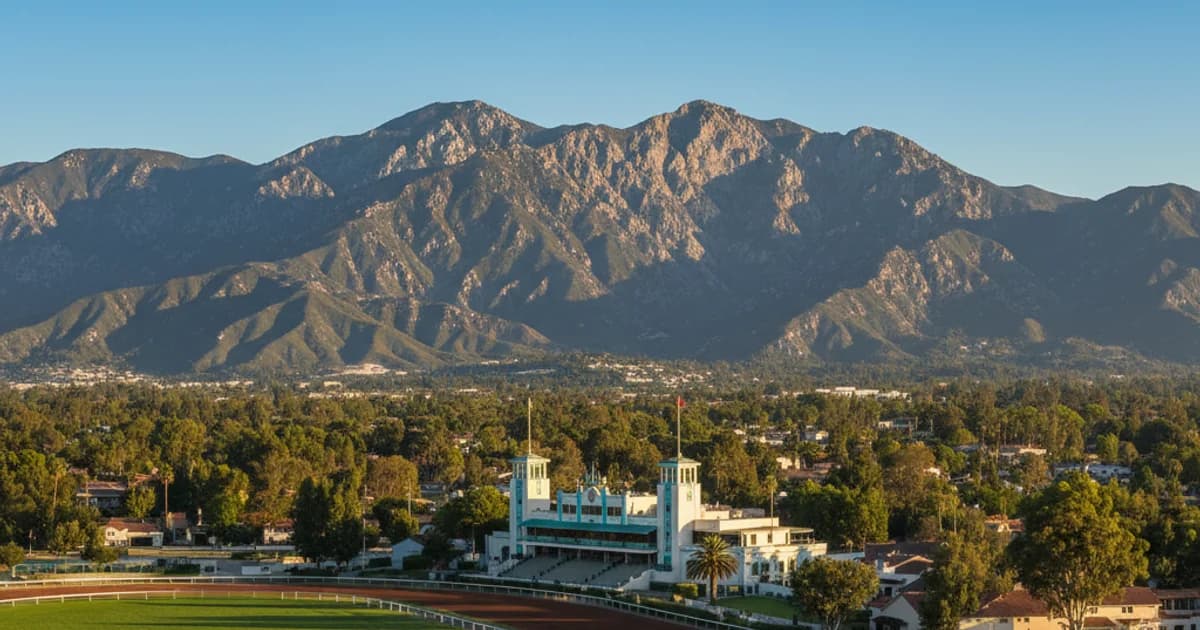
Monrovia is one of the San Gabriel Valley's best-kept secrets, and it is getting harder to keep quiet about. With a walkable downtown centered on Myrtle Avenue, direct Gold Line access to downtown LA, trails leading to a waterfall in a canyon park, and a tight-knit community that still shows up for Friday night events, Monrovia delivers a small-town feel that is genuinely rare this close to a major city. The median home price sits around $1 million in early 2026, making it one of the more accessible entry points into the SGV's premium foothill communities.
I have been selling homes across the San Gabriel Valley for over 13 years, and Monrovia consistently ranks among the top cities my clients fall in love with once they visit. It attracts young families drawn to the schools and parks, professionals who commute via the Metro A Line, and long-time residents who chose Monrovia decades ago and never left. This guide covers everything you need to know before making the move.
Interested in Monrovia homes? Let's find you the right neighborhood.
1. Old Town Monrovia: The Heart of the City
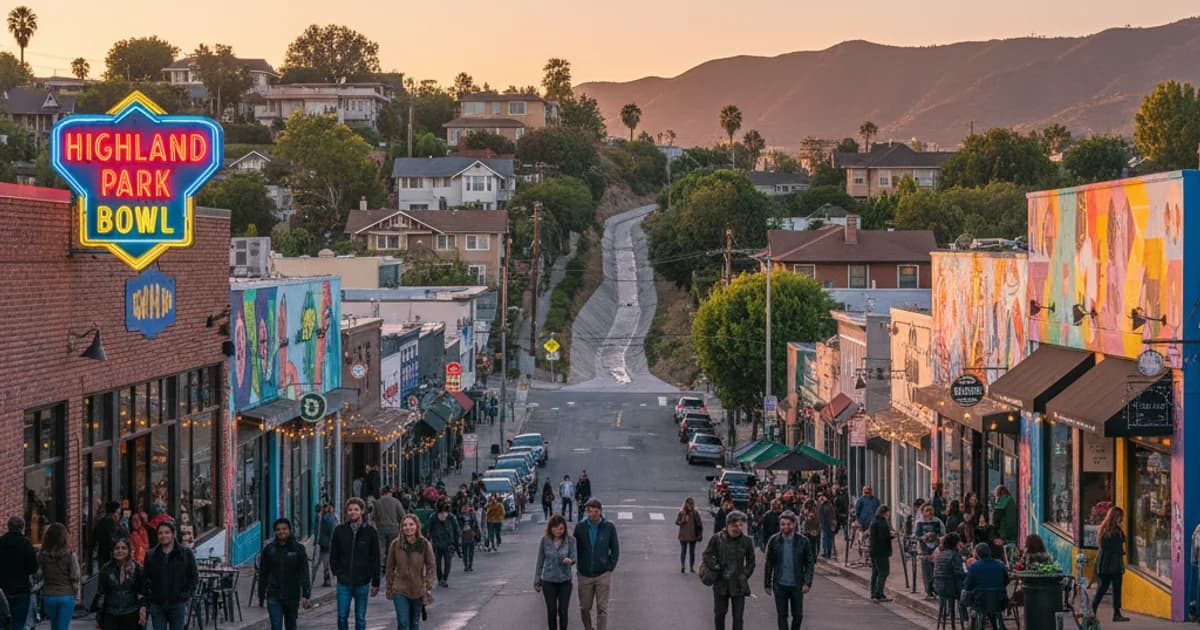
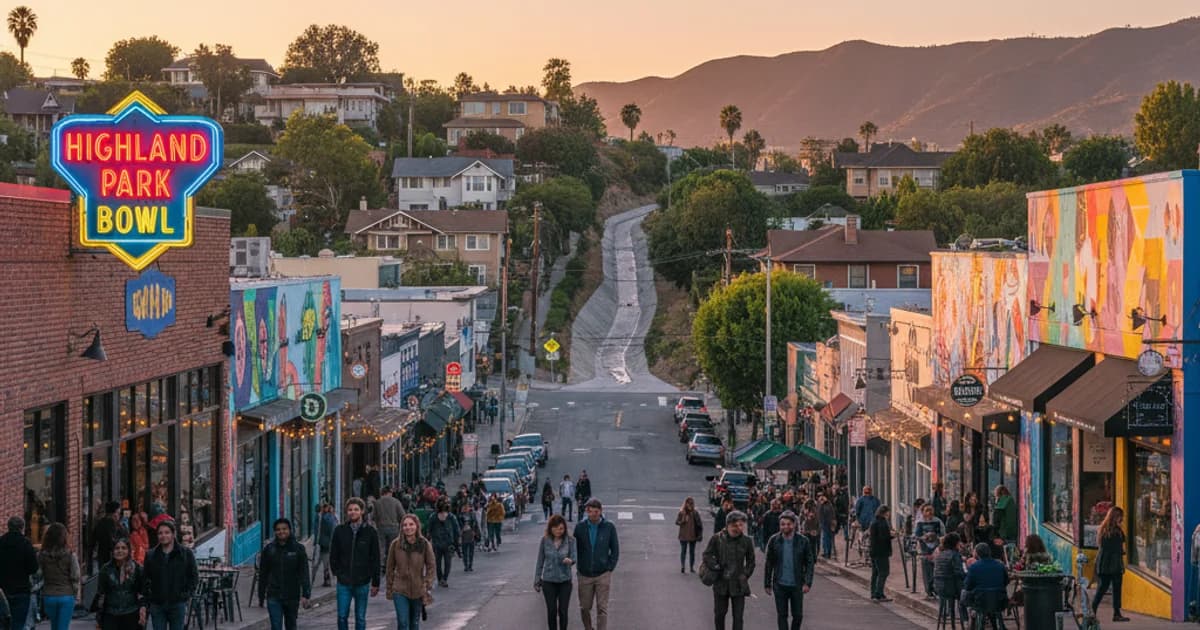
Old Town Monrovia runs along Myrtle Avenue between Foothill Boulevard and Duarte Road, and it is the anchor of community life here. Unlike many SGV cities where "downtown" means a strip mall or a stretch of chain restaurants, Monrovia's Old Town has genuine character. The streetscape features historic storefronts, mature trees, wide sidewalks, and a mix of local restaurants, coffee shops, boutiques, and services that actually reflect the neighborhood.
For dining, you will find a range from upscale to casual within a few blocks. Restauration serves creative California cuisine in a converted bungalow. The Brig is a neighborhood beer bar with a rotating tap list. Lemon Grass Thai, Peking Inn, and Rudy's Mexican Food have been Monrovia staples for years. Cafe 322 hosts live jazz on weekends. The coffee scene includes Klatch Coffee and Nana's Cafe, both of which draw regulars from neighboring Duarte, Arcadia, and Bradbury.
Shopping along Myrtle Avenue runs toward independent and local. You will find vintage shops, a comic book store (Ninth Nebula Comics), home goods stores, and specialty retailers. The Thursday morning farmers market operates year-round on Myrtle and draws vendors from across Southern California. It is one of the better farmers markets in the SGV, smaller than Pasadena's but with better produce prices and a more relaxed atmosphere.
What makes Old Town work is walkability. Residents in the surrounding blocks can walk to dinner, grab groceries at Trader Joe's (a few blocks south on Huntington Drive), and stroll to the Friday Night events without needing a car. In a region defined by car-dependent sprawl, this kind of walkable core is a genuine differentiator.
2. Neighborhoods and Where to Live
Monrovia is compact (about 13.7 square miles), but its neighborhoods have distinct personalities depending on whether you are north of Foothill Boulevard in the foothills, in the flat central area near Old Town, or south of Huntington Drive.
| Neighborhood | Character | Price Range | Best For |
|---|---|---|---|
| North Monrovia (Foothills) | Hillside homes, mountain views, larger lots | $1.2M-$2M+ | Privacy, views, nature lovers |
| Highland Place | Historic Craftsmans, tree-lined streets | $900K-$1.4M | Character home buyers, walkability |
| Central / Old Town adjacent | Mix of bungalows and mid-century, walkable | $800K-$1.1M | First-time buyers, young families |
| South of Huntington | More affordable, closer to 210 freeway | $700K-$950K | Budget-conscious buyers, commuters |
North Monrovia (Foothills): The area north of Foothill Boulevard climbs into the San Gabriel Mountains. Homes here sit on larger lots (7,000 to 15,000+ square feet), many with panoramic views of the valley below. The housing stock is mixed: mid-century ranches, 1980s and 1990s custom builds, and newer construction. Streets like Canyon Boulevard, Norumbega Drive, and Mountain Avenue offer the kind of quiet, nature-adjacent living that feels miles from the city. The tradeoff is steeper driveways, fire insurance considerations, and a drive to reach Old Town.
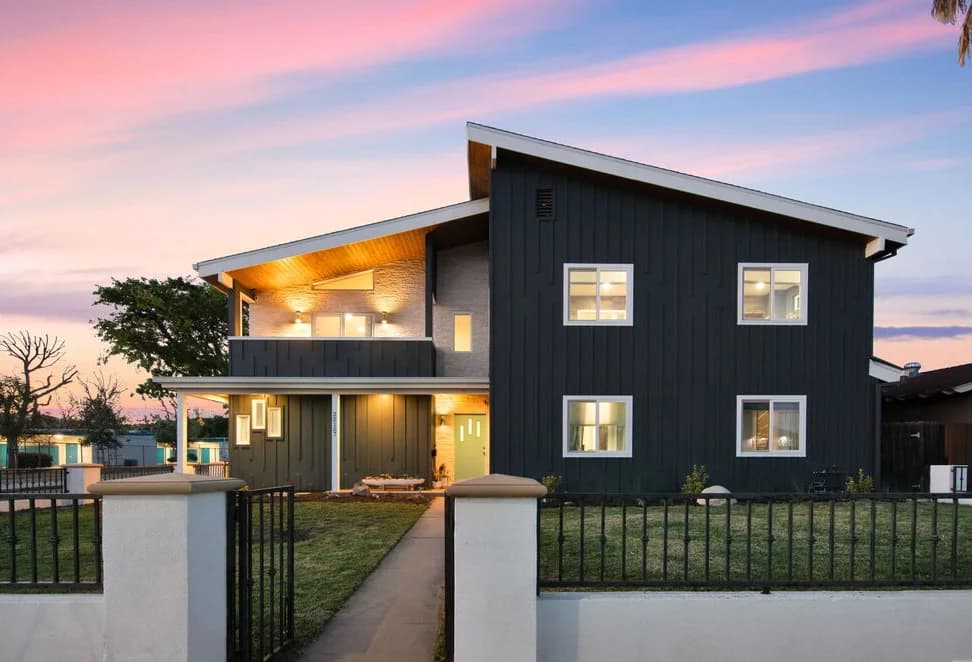
Highland Place: This historic neighborhood between Colorado Boulevard and Foothill is Monrovia's most coveted residential area. The homes are predominantly Craftsman, Spanish Colonial Revival, and Tudor-style built between 1910 and 1940. Streets are wide, mature oak and jacaranda trees line the sidewalks, and many homes retain original millwork, built-ins, and hardwood floors. Prices have climbed significantly over the past decade, and homes in Highland Place rarely sit on the market for long.
Central Monrovia: The blocks surrounding Old Town offer the best walkability in the city. Housing is a mix of smaller bungalows, post-war ranch homes, and some multi-unit properties. This is where first-time buyers often find entry points below $900,000, particularly on streets east of Myrtle Avenue. The proximity to restaurants, the Gold Line station, and Library Park makes this area popular with younger buyers and professionals. If walkability is your top priority, this is where to focus your search.
South of Huntington: The area between Huntington Drive and the 210 Freeway is Monrovia's most affordable zone. The housing stock skews toward post-war tract homes and smaller lots. Highway noise is a factor for properties closest to the 210, but the area offers quick freeway access for commuters heading east toward the Inland Empire or west toward Pasadena and DTLA. Homes here regularly sell in the $700,000 to $900,000 range.
Want to explore homes in a specific Monrovia neighborhood?
3. Monrovia Home Prices and Market Data (2026)
As of early 2026, the median home sale price in Monrovia is approximately $1,005,000 to $1,050,000, up roughly 4% year over year. The median price per square foot runs around $574, which positions Monrovia below neighboring Arcadia ($1.3M+ median) and Sierra Madre ($1.2M+ median) but above Duarte ($780K median) and Azusa ($700K median). For the quality of life and location, Monrovia represents strong value in the SGV foothill market.
Inventory in Monrovia remains tight. At any given time, there are typically 40 to 60 active listings across the city, which translates to about 2.5 to 3 months of supply. Homes priced correctly in Highland Place and the central Old Town area sell within 30 days. The foothills segment above $1.5 million moves slower, with 45 to 60 days on market being typical for that price tier.
The trend I am seeing: buyers from Pasadena and Arcadia who are priced out of those markets are discovering Monrovia and competing for homes here. Three years ago, a well-maintained 3-bedroom Craftsman in Highland Place might have drawn 4 to 5 offers. Today that same home draws 8 to 10. Monrovia is not a hidden market anymore, but it still offers 15% to 25% better value per square foot compared to Arcadia and South Pasadena.
For a broader view of how prices compare across the San Gabriel Valley, I wrote a detailed SGV neighborhood comparison at best-sgv-cities-for-families that covers every major city in the area.
4. Schools and Education
Monrovia Unified School District serves the city with a mix of elementary, middle, and high school options. The district has invested heavily in STEM programs and technology over the past decade, and its schools consistently perform above the state average.
Elementary schools: Bradoaks Elementary and Wild Rose Elementary are the two most sought-after campuses, particularly for families in the Highland Place and north Monrovia neighborhoods. Bradoaks serves students in grades K through 6 and has a strong parent participation community. Monroe Elementary and Mayflower Elementary serve the central and southern parts of the city.
Middle school: Clifton Middle School is the primary middle school option for Monrovia residents. Located on east Colorado Boulevard, Clifton offers honors-track courses and a competitive STEM program. The school has undergone facility upgrades including a modernized science lab and updated athletic fields.
High school: Monrovia High School is the city's comprehensive high school, serving approximately 1,600 students. The school offers AP courses across 15+ subjects, a nationally recognized Mock Trial program, and competitive athletics (the Wildcats football and basketball programs have deep community support). Graduation rates exceed 90%, and the school sends students to UC and Cal State campuses regularly.
Families also have access to several private schools in and around Monrovia. Immaculate Conception (K-8 Catholic), Barnhart School (independent K-8), and the nearby Foothill Country Day School in La Canada Flintridge are popular alternatives. Santa Anita Church schools in Arcadia and Duarte are also within a short drive.
For families comparing school districts across the SGV, Monrovia falls in the middle tier. It does not match San Marino USD (consistently the top-ranked district in LA County) or Arcadia USD (another top performer), but it outperforms Azusa USD and Duarte USD and offers a well-rounded education with stronger community involvement than many larger districts. I put together a ranking of SGV school districts at best-schools-arcadia if you want to compare specific test scores and programs side by side.
Looking for family-friendly homes near top Monrovia schools?
5. Commute and Gold Line Access
Monrovia's single biggest transit asset is the Metro A Line (Gold Line) station at Duarte Road and Magnolia Avenue. The station opened in 2016 as part of the Foothill Extension and connects Monrovia directly to Pasadena (15 minutes), Highland Park (25 minutes), and downtown Los Angeles Union Station (approximately 45 minutes). For professionals working in DTLA, Pasadena, or anywhere along the Gold Line corridor, Monrovia offers a train commute that avoids the 210 and 134 freeway traffic entirely.
The station has a free park-and-ride lot with approximately 900 spaces, which means you can drive from north Monrovia to the station in 5 minutes, park for free, and take the train. During morning rush, the lot fills by 7:30 AM, so earlier commuters have an advantage. The surrounding blocks have also seen development since the station opened, with new mixed-use buildings and condos catering to transit-oriented buyers.
Freeway access: The 210 Freeway runs along Monrovia's southern edge, providing east-west connectivity. Heading west gets you to Pasadena in 10 to 15 minutes (no traffic) or Glendale/Burbank in 20 to 25 minutes. Heading east reaches Glendora, Claremont, and the Inland Empire. The I-605 interchange is about 10 minutes south, connecting to the 10 Freeway and the broader LA freeway grid. During peak hours, the 210 westbound backs up between Monrovia and Pasadena, which is one reason the Gold Line has become so popular with local commuters.
6. Outdoor Recreation and Trails
Monrovia's location at the base of the San Gabriel Mountains gives it some of the best trail access in the entire SGV. You can be on a trailhead within 10 minutes of anywhere in the city.
Monrovia Canyon Park and Falls: This is the city's crown jewel. The park sits at the end of Canyon Boulevard in a wooded canyon that feels nothing like suburban Los Angeles. The trail to Monrovia Canyon Falls is 1.6 miles round trip with about 350 feet of elevation gain. The waterfall runs strongest from December through April after winter rains. The park also has picnic areas, a nature center, and longer trail connections into the Angeles National Forest. Admission is $5 per vehicle. The park is open Wednesday through Monday and closed on Tuesdays. I covered this trail and others in my guide to the best hikes near Pasadena.
Monrovia Canyon Trail to the Summit: For more experienced hikers, the trail continues past the falls up to Monrovia Peak (5,409 feet). The full out-and-back is about 8 miles with over 3,000 feet of elevation gain. It is strenuous, but the panoramic views of the San Gabriel Valley, downtown LA, and the Pacific Ocean on clear days are worth every switchback.
Recreation Park: Located in the heart of the city, Recreation Park offers softball fields, basketball courts, a swimming pool, playgrounds, and open lawn space. The Monrovia Community Center hosts classes and events year-round. For families with young children, the playground was recently renovated with updated equipment and shaded structures.
Library Park: Adjacent to the Monrovia Public Library on Myrtle Avenue, this smaller park is a popular lunch spot and gathering place for Old Town visitors. The park hosts community events throughout the year and connects directly to the walkable Myrtle Avenue corridor.
The San Gabriel Mountains above Monrovia offer miles of fire roads suitable for mountain biking. Sawpit Canyon and the roads above Monrovia Canyon Park connect to a broader network of Angeles National Forest trails. Local running groups meet regularly at Recreation Park and do loop routes through Highland Place that take advantage of the neighborhood's flat, tree-shaded streets.
Ready to live near the trails? Search Monrovia's foothill homes.
7. Community Events and Culture
Monrovia has a community event calendar that rivals cities twice its size. The involvement level here is what sets it apart from other SGV cities. People actually show up.
Friday Night on Myrtle: During warmer months, Old Town Monrovia closes Myrtle Avenue to traffic on Friday evenings for a street fair featuring live music, food vendors, and local businesses. It draws families from across the SGV and has become a defining community ritual. If you attend one event before deciding to move here, make it this one.
Monrovia Days: The city's annual celebration typically takes place in May and includes a parade down Myrtle Avenue, carnival rides, a 5K run, and community performances. It is one of the longest-running city celebrations in the SGV and draws participation from local schools, businesses, and service organizations.
Farmers Market: The Thursday morning farmers market on Myrtle Avenue operates year-round, rain or shine. Vendors sell seasonal produce, baked goods, flowers, honey, and prepared foods. It is smaller and less tourist-oriented than the Pasadena or Santa Monica markets, which is exactly why locals prefer it.
Holiday events: Monrovia goes all-in on holidays. The annual Christmas parade, tree lighting ceremony, and holiday decorations along Myrtle Avenue create a classic small-town atmosphere. The city also organizes Fourth of July events at Recreation Park and fall festivals with pumpkin patches and craft vendors.
This level of community engagement is not something you can manufacture. It reflects decades of intentional city planning, active neighborhood associations, and residents who genuinely invest in their city. I hear this consistently from clients who moved to Monrovia from larger LA neighborhoods: they were not expecting to know their neighbors by name within six months, but it happened naturally.
8. Pros and Cons of Living in Monrovia
I always give my clients the full picture. Monrovia is an excellent city, but it is not perfect for everyone. Here is my honest assessment after helping buyers move here for over a decade.
| Pros | Cons |
|---|---|
| Walkable Old Town with genuine character | Rising prices, increasingly competitive market |
| Gold Line station for car-free DTLA commute | 45-minute ride to DTLA is still long |
| Mountain trails and canyon park within minutes | Foothill fire risk for northern properties |
| Strong community events and involvement | Limited nightlife compared to Pasadena or DTLA |
| Good schools with strong parent engagement | Schools rank below Arcadia and San Marino districts |
| 15-25% more affordable than Arcadia and S. Pasadena | South Monrovia has highway noise from the 210 |
| Historic housing stock in Highland Place | Older homes may need seismic and plumbing updates |
The biggest positive: Monrovia gives you SGV foothill living with transit access, walkability, and community at a price point that Arcadia and South Pasadena cannot match. The biggest negative: rising demand means the value gap is closing. Homes that sold for $750,000 in 2020 are now trading above $1 million. If Monrovia is on your radar, acting sooner rather than later makes financial sense.
For buyers comparing Monrovia against other SGV foothill cities, I can discuss Sierra Madre vs. La Canada Flintridge comparisons that cover the premium end of the market. If you want a broader view, I can discuss Monrovia real estate market trends and investment potential in more detail.
Ready to explore Monrovia? Let's find the right home for your lifestyle.
Frequently Asked Questions About Living in Monrovia
What is the median home price in Monrovia in 2026?
The median home sale price in Monrovia is approximately $1,005,000 to $1,050,000 as of early 2026. Prices range from $700,000 in south Monrovia to $2 million+ in the foothills, depending on neighborhood, lot size, and condition.
How long is the Gold Line commute from Monrovia to downtown LA?
The Metro A Line (Gold Line) ride from the Monrovia station to Union Station in downtown LA takes approximately 45 minutes. The station has a free park-and-ride lot with about 900 spaces that typically fills by 7:30 AM on weekday mornings.
Is Monrovia a good city for families?
Yes. Monrovia offers solid public schools (Bradoaks Elementary and Monrovia High are the standouts), safe neighborhoods, an active parks and recreation department, and a community-oriented culture with regular family events like Friday Night on Myrtle and Monrovia Days.
What are the best neighborhoods in Monrovia?
Highland Place is the most desirable for character homes and walkability. North Monrovia foothills offer views and larger lots. Central Monrovia near Old Town provides the best walkability to restaurants and the Gold Line station. South Monrovia offers the most affordable entry points.
How does Monrovia compare to Arcadia?
Monrovia is 15% to 25% more affordable than Arcadia, offers better walkability (Old Town vs. Arcadia's car-oriented layout), and has Gold Line access. Arcadia has higher-ranked schools and a larger inventory of newer luxury homes. Both are excellent SGV cities with different strengths.
What outdoor activities are available in Monrovia?
Monrovia Canyon Park offers the popular 1.6-mile waterfall hike, with longer trails extending to Monrovia Peak (5,409 ft). Recreation Park has sports fields, a pool, and playgrounds. Mountain biking routes connect to the Angeles National Forest via fire roads above the city.
Thinking about moving to Monrovia? Let's talk about your options.
Browse all available homes in Monrovia right now.

Justin Borges
Team Lead, The Borges Real Estate Team
DRE #01940318
With over 13 years in Southern California real estate, Justin specializes in probate sales, trust properties, and character homes. His expertise in 1031 exchanges and historic preservation has helped hundreds of clients navigate complex real estate transactions.